A Corridor on a Map Is Not a Rail Booking: Comparing Sea LCL and Rail for a Small Europe-Bound Load
A Corridor on a Map Is Not a Rail Booking: Comparing Sea LCL and Rail for a Small Europe-Bound Load from China
When a small shipment is going from China to Europe, rail often appears in the conversation as the faster middle option: slower than air, quicker than sea, and priced somewhere in between. That picture is a starting point, not a quote. A published European rail corridor describes infrastructure. It does not confirm that your cartons can be accepted, that a China-origin service is running on the dates you need, or that the figure you are looking at includes the trucks and terminals at both ends. This article is about comparing a small LCL sea movement with a rail option on the same scope, and about the information you need before either mode is a decision.
Two different main legs, and several shared ones
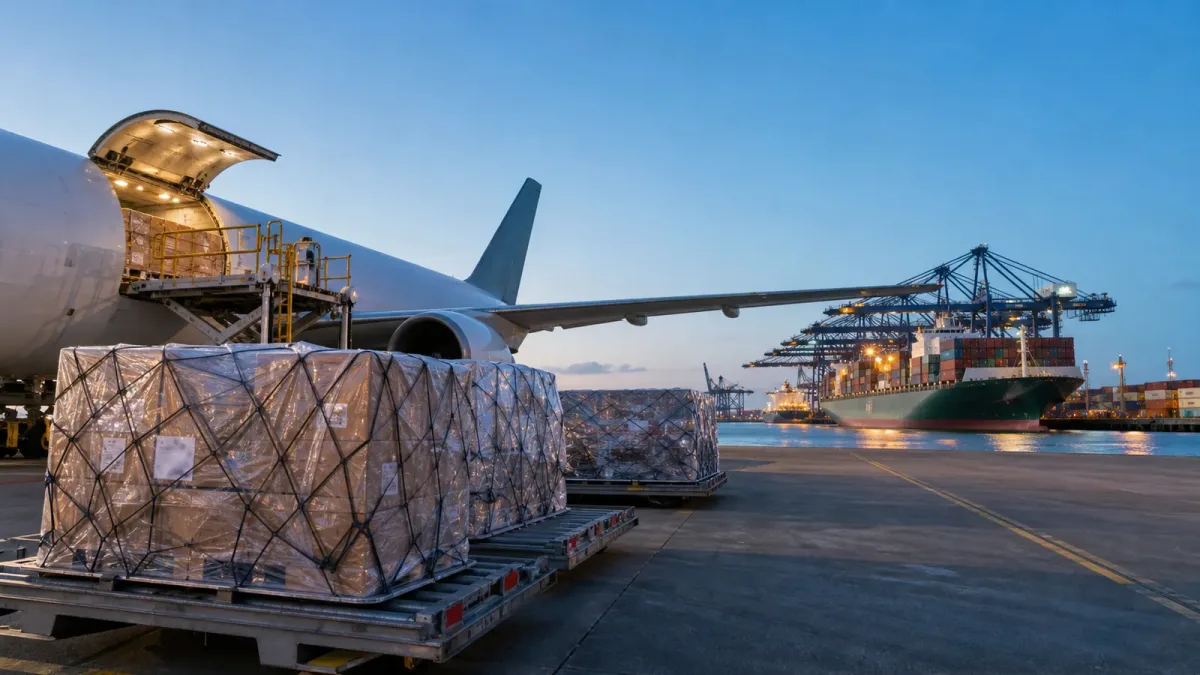
Sea LCL is a shared-container ocean movement. Your cartons travel with other shippers’ cargo, usually after a period of origin handling, and they are unpacked at a destination container freight station before inland delivery. Rail, where a service actually exists for your origin and destination, is also typically a multimodal movement: a truck or feeder to a rail terminal, the rail leg, a border or gauge-change handover on some routes, and a truck again at the other end.
Why a published European rail corridor is infrastructure, not a confirmed booking is the first distinction to keep. A corridor map is not an operator itinerary. Before you treat rail as available, you need the actual origin and destination terminals, the operators responsible for each leg, cargo acceptance, current routing, and a dated plan. The same caution applies in the other direction: a sea schedule is not a door delivery, and a port-to-port rate is not a landed total.
Land transport often controls the first and last mile even when the main leg is sea or rail. A fair comparison therefore includes origin pickup or warehouse transfer, terminal handling, the main carriage, import procedures, and destination trucking, on both options.
Compare the same cargo, the same place, and the same work
How to compare an LCL offer on packed cargo, minimum quantity and the full origin-to-destination scope is the method to copy for rail. Use the actual packed carton count, gross weight, outer dimensions, ready date and delivery address. Then itemise, for each mode:
- Origin pickup or transfer from the consolidation warehouse to the port or rail terminal
- Origin handling, documentation and export formalities
- The main sea or rail carriage, including any minimum billed quantity
- Destination terminal or CFS handling, and any free-time limit after which storage starts
- Import clearance, duty and tax, unless a separate, written duty-paid service includes them
- Onward trucking to the actual door, warehouse or residential address
If one quote stops at a European rail terminal and the other is a port-to-door figure, you are not comparing the same job. Request a dated route plan with named handoff points rather than assuming rail is always faster, or sea always cheaper.
Cargo acceptance is part of the comparison, not an afterthought. Batteries, liquids, powders, magnets, branded goods, oversized pieces and cargo that cannot be stacked may be refused by one mode, or accepted only with extra packing and documents. A mode that cannot carry the goods is not a cheaper option.
What a small LCL shipment is really choosing
For a small load, a full container is often the wrong comparison. The live choice is usually LCL sea against air, express, or, where it is actually bookable, a rail groupage or container service. The packed cubic metres and the deadline matter, but so does where in Europe the goods have to end up.
A shipment whose final delivery is close to a seaport may not gain much, once origin and destination trucks are included, from a rail routing that ends at an inland terminal far from the consignee. A shipment whose consignee is inland may make more sense by rail, if the service, the terminals and the cargo acceptance are confirmed. Do not let a map of China–Europe rail lines answer that question on its own.
What a China-to-Germany door delivery still has to screen besides the main freight mode is a useful reminder if you are buying a duty-paid door service rather than a port or terminal handoff. Final cost on a Germany or wider EU delivery still depends on carton data, cargo type, invoice value, duty and VAT scope, postcode and final-mile limits. Choosing sea or rail does not remove that screening, and a DDP label does not, by itself, tell you which main leg will be used.
A short comparison file
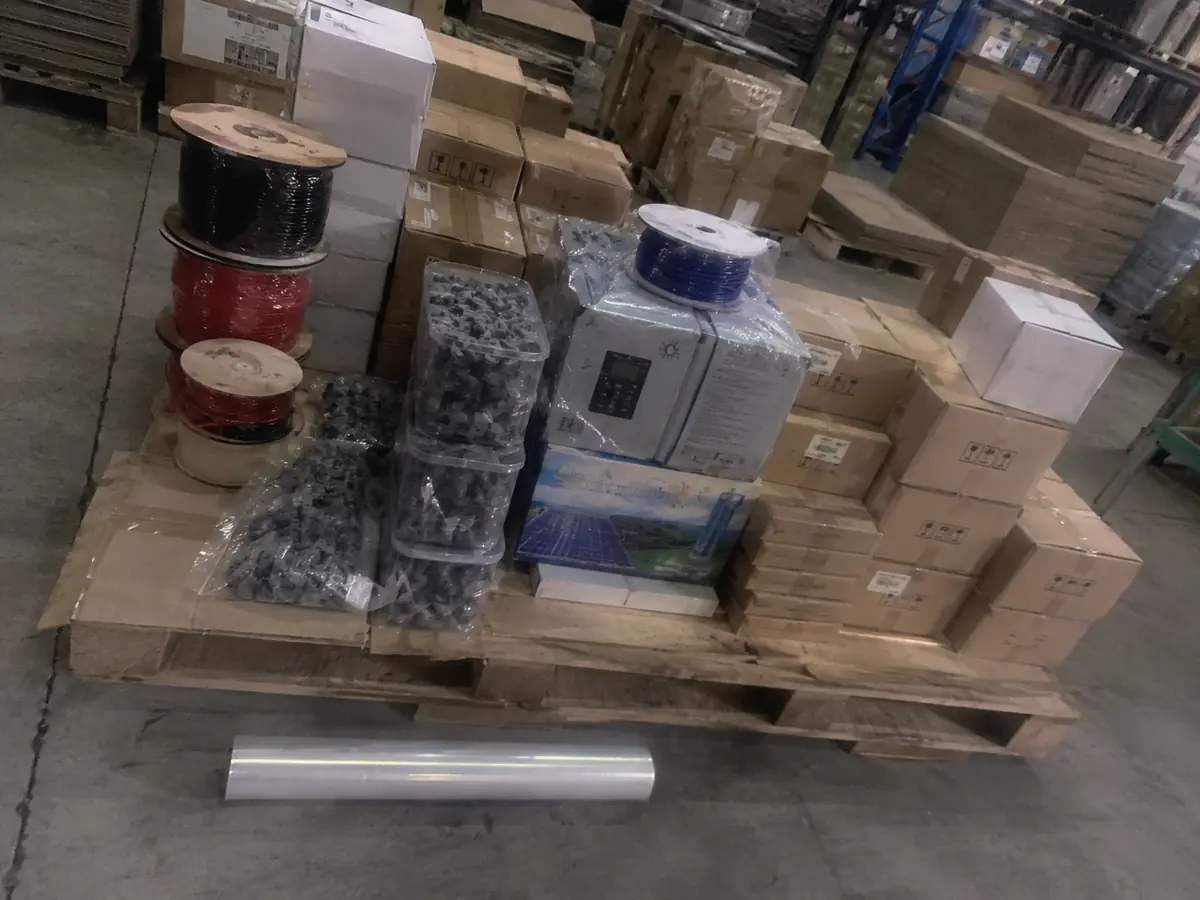
Before you pick a mode, put the following on one page and send the same page to whoever is quoting:
- Packed carton list with outer dimensions and gross weight
- Ready date at the factory or at the China warehouse
- Destination postcode, address type, and whether a delivery appointment is required
- The delivery scope you want: terminal, port, warehouse or door
- Cargo attributes and any documents already in hand
- A deadline you can actually use, not a hoped-for date
- For any rail offer: origin and destination terminals, operators, and what happens at the border
- For any sea LCL offer: origin and destination charges, minimum quantity, and free-time limits
Ask for exclusions in writing. Waiting charges, failed collections, destination storage after free time, and unloading at a site with no dock are the lines that most often sit outside a headline figure.
To compare a small China-to-Europe load by sea LCL and by rail on the same door or terminal scope, send the packed carton data, destination postcode and ready date to sales@jtlgo.com.
FAQ
Is rail from China to Europe always faster than sea? Not automatically. Transit time depends on the actual service, terminal congestion, border handovers and the trucking at both ends. Compare a dated itinerary with a dated sea plan, including the first and last mile, rather than a corridor average.
Can I book rail because I saw a map of the route? No. A published corridor is infrastructure information. Obtain operator acceptance, terminals, cargo restrictions and current routing before treating rail as an available option.
Does a rail or sea quote include duty and VAT in the EU? Only if the offer says so, in writing, and the cargo has been screened for that service. A freight mode is not a duty-paid delivery. Confirm who clears the goods and who pays duty and tax.
What if my cargo is small and I only have a few cartons? That is a normal LCL or groupage question, not a reason to skip the scope check. Ask about minimum billed quantity, whether the goods will wait for a consolidation, and whether acceptance rules still apply to a small lot.
Questions about a China-to-Europe sea or rail comparison can be sent to sales@jtlgo.com.